
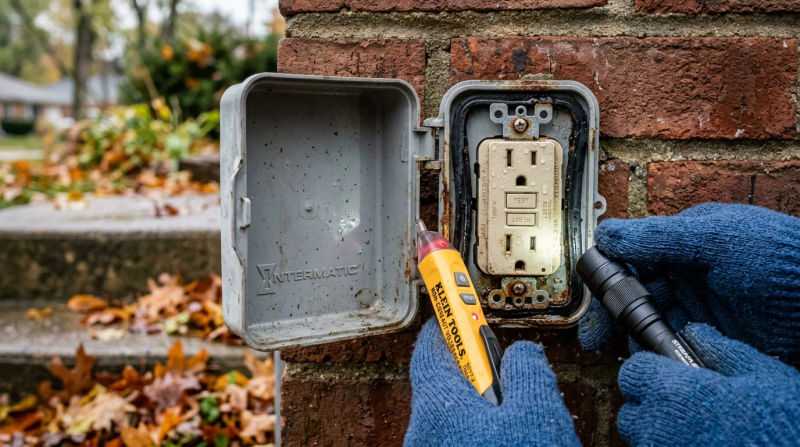
It’s a crisp October afternoon in Maumee. You’ve got the leaf blower ready to tackle the yard, you plug it in, and… nothing. You check the outdoor outlet and see the little button has popped out. You press “RESET,” it clicks, and as soon as you turn on the blower, it trips again. Or maybe it’s the outlet in your garage, bathroom, or kitchen that’s suddenly dead. A frequently tripping Ground Fault Circuit Interrupter (GFCI) outlet is more than just an annoyance; it’s a safety device telling you that something is wrong. As a home repair specialist with over a decade of experience, I've seen this scenario countless times, especially as damp fall weather sets in.
Understanding why this is happening is the first step toward a safe and reliable solution. Let's walk through some common signs, causes, and what you can do about it.
Common Signs and Symptoms
When a GFCI outlet acts up, the signs are usually straightforward, but they can point to a few different underlying issues. If you have an outlet not working Maumee OH, and it has those tell-tale “TEST” and “RESET” buttons, you’re dealing with a GFCI. Here’s what our technicians typically see:
- No Power at All: The most obvious sign is that the outlet - and any other outlets wired “downstream” from it - are completely dead. In many homes, especially older ones, a single GFCI in a bathroom might protect outlets in other bathrooms as well.
- The Instant Trip: You press the “RESET” button, it clicks, but it immediately pops back out. This indicates a persistent fault that the GFCI is detecting.
- Intermittent Tripping: The outlet works for a while, then trips unexpectedly. This often happens when a specific appliance is used or during certain weather conditions, like after a heavy rain. As October brings more moisture and temperature swings to our area, condensation inside exterior outlet boxes or garages becomes a common trigger.
- The Reset Button Feels Spongy or Won't Engage: If the reset button feels mushy or won't click into place, the internal mechanism of the outlet itself may have failed.
What Causes This Problem
A GFCI outlet is designed to protect you from electric shock by monitoring the flow of electricity. If it detects an imbalance - meaning electricity is finding an alternative path to the ground, potentially through a person - it shuts off power in a fraction of a second. Here are the most common GFCI keeps tripping causes we encounter.
- Moisture Intrusion: This is the number one culprit for outdoor, garage, and basement outlets, particularly during Ohio's wet autumns. Rain, humidity, snowmelt, or even condensation from temperature changes can introduce enough moisture into the outlet box to create a ground fault. Heavy leaf fall can clog an outdoor outlet's protective cover, trapping moisture inside.
- A True Ground Fault: This is the GFCI doing its job. Somewhere in the circuit or in an appliance plugged into it, a hot wire is touching a ground wire or part of the grounded metal box. This is a serious safety issue that needs to be addressed.
- Faulty Appliance: The problem may not be the outlet at all. An old coffee maker with a leaky heating element, a power tool with a frayed cord, or a freezer with a failing compressor can all cause a GFCI to trip. The moisture and wear-and-tear on the appliance’s internal wiring create the fault.
- Worn-Out GFCI Outlet: GFCI outlets are complex electronic devices, and they don’t last forever. Their average lifespan is about 10-15 years. In many historic Maumee homes, particularly those built pre-1940s, the electrical systems have been updated over the decades. A GFCI installed during a 1990s kitchen remodel may simply be at the end of its service life. These older outlets can become overly sensitive and trip for no apparent reason, or fail to trip when they should.
- Wiring Issues: The problem could be hidden behind the wall. Loose connections, damaged wire insulation from a nail or screw, or deterioration of old wiring can all lead to ground faults. In older homes, where wiring may be a mix of different types and ages, these issues are more common and require an experienced professional to diagnose safely.
- Circuit Overload: While a GFCI's primary job is to detect ground faults, it's important to distinguish this from a circuit breaker trip. If you plug in too many high-power devices (like a space heater and a shop vac) on the same circuit, the main circuit breaker in your panel will trip due to overload. However, a GFCI can sometimes be more sensitive and trip first, or a faulty device can create both a ground fault and an overload condition.
When to Call a Professional
Proper GFCI outlet troubleshooting involves a process of elimination. Some of these steps are safe for a homeowner to perform, while others absolutely require an expert.
Safe DIY Diagnostic Checks:
- Reset the Outlet: The first step is always to reset GFCI outlet safely. Unplug everything from the outlet and any others you suspect are on the same circuit. Press the “RESET” button firmly until it clicks and stays in.
- Isolate the Appliance: If the GFCI resets successfully, plug in one appliance at a time to see if one of them causes the trip. If it trips as soon as you plug in your leaf blower, you've likely found the source of the problem. Try that appliance in a different, known-good GFCI circuit to confirm.
- Look for Obvious Moisture: Visually inspect the outlet. Do you see water, condensation, or dirt inside the cover? If so, make sure the circuit is off at the breaker panel before attempting to dry or clean the area.
When to Stop and Call for Help:
While it’s tempting to save money, electrical work is not the place to experiment. Your safety is paramount. Call an experienced professional if:
- The outlet will not reset, even with everything unplugged.
- The GFCI trips immediately as soon as you press the reset button.
- You see any signs of burning, melting, or blackening around the outlet.
- You suspect the problem is with the wiring in the wall.
- You live in an older home and are unsure about the state of your electrical system. The unique wiring configurations in historic properties require a knowledgeable hand.
- You simply aren't comfortable or confident in diagnosing the issue yourself.
An experienced handyman or electrician has the diagnostic tools and training to safely test the outlet, the circuit, and the wiring to pinpoint the exact cause of the fault.
Conclusion
A tripping GFCI outlet is your home’s electrical system sending you a clear signal. While the cause is often simple, like a faulty appliance or temporary moisture, it can also point to a more serious underlying wiring issue. By following a safe process of elimination, you can often identify the problem yourself. However, it's critical to recognize when the issue goes beyond a simple fix.
Don't let a persistent electrical problem linger. Ignoring a frequently tripping GFCI can compromise your family's safety. It's always better to address these issues early, ensuring your home is safe and functional before the demands of winter arrive.
If you notice any of these signs and aren't sure how to proceed, contact a local handyman professional for an inspection.